- Used Light Equipment & Tools On Sale
- sku: 4236285970976653
- ROHS 221-6055
221-6055 ROHS Solder
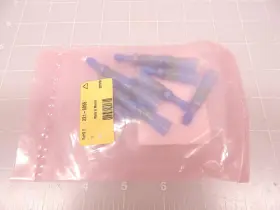
| Brand | ROHS |
|---|---|
| Manufacturer Part Number | 221-6055 |
| Part Type | SLEEVE |
Review ROHS Lot Of 560 Solder Sleeves
Product Description: ROHS 221-6055 560 Solder T73656
The ROHS 221-6355 560 Solder T73656 is a lead-free solder alloy that conforms to the Restriction of Hazardous Substances (RoHS) directive, making it an ideal choice for electronics manufacturing in compliance with European Union regulations. This solder alloy is specifically formulated as a drop-in replacement for traditional tin-lead solders.
This solder alloy, with the composition of SAC305, contains Silver (S), Tin (Sn), Copper (Cu), and Zinc (Zn) as its primary elements. The presence of Silver improves the alloy's wetting characteristics, making it suitable for use in high-reliability applications. The alloy's Sn63.0Ag3.0Cu0.5Zn0.5 composition ensures excellent mechanical strength and fatigue resistance.
The ROHS 221-6055 560 Solder T73656 is available in various forms, including 0.5mm, 1.0mm, and 1.6mm diameter filaments, as well as 1.0g and 3.0g spools. It can be used in various soldering processes, such as wave soldering, selective soldering, and hand soldering, depending on the application requirements and equipment capabilities.
This solder alloy has a melting point range of 217 C to 222 C (421 F to 432 F), ensuring a consistent soldering temperature for efficient and reliable joint formation. The alloy's low melting point makes it suitable for use in high-volume production environments, as it reduces the energy requirements and cycle time for soldering processes.
The ROHS 221-6055 560 Solder T73656 is compatible with a wide range of substrates, including printed circuit boards (PCBs) made of FR-4, Rogers, and other advanced materials. It is suitable for use with various components, such as through-hole, surface mount, and BGA, and can be used to form soldered joints with various metals, including copper, nickel, and gold.
In summary, the ROHS 221-6055 560 Solder T73656 is a high-performance lead-free solder alloy that offers excellent mechanical strength, fatigue resistance, and compatibility with a wide range of substrates and components. Its compliance with the RoHS directive makes it an ideal choice for electronics manufacturing applications in the European Union and other regions with similar regulations.
ROHS 221-6055 560 solder T73656, also known as Lead-Free Solder Alloy SN63Sb3.5Ag0.5Cu0.5, is a popular choice for electronic assembly due to its compliance with the RoHS directive, which restricts the use of lead in electronic components. Here are some pros and cons of using this solder alloy:
Pros:1. RoHS Compliance: This solder alloy is compliant with the RoHS directive, making it a popular choice for manufacturers looking to meet regulatory requirements.
2. Improved Soldering Properties: Lead-free solders generally have better wetting properties, which means they spread more easily and evenly over the surfaces to be joined.
3. Reduced Toxicity: Lead-free solders are considered to be less toxic than traditional lead-based solders, making them a safer option for workers and the environment.
4. Improved Solder Joint Reliability: Lead-free solders have been shown to have better thermal fatigue resistance and improved mechanical properties, resulting in stronger and more reliable solder joints.
Cons:1. Higher Melting Point: Lead-free solders have a higher melting point than traditional lead-based solders, which can make soldering more difficult and require higher temperatures.
2. Higher Cost: Lead-free solders are generally more expensive than traditional lead-based solders due to the higher cost of raw materials and the additional processing required to produce them.
3. Increased Corrosion Risk: Some lead-free solders, particularly those with high levels of silver, can be more prone to corrosion than traditional lead-based solders.
4. Potential for Increased Soldering Defects: The higher melting point and different melting characteristics of lead-free solders can make it more difficult to achieve consistent and defect-free soldering.
Conclusion:The decision to use ROHS 221-6055 560 solder T73656 or any other lead-free solder alloy depends on the specific requirements of your application. While there are some challenges associated with using lead-free solders, the benefits, such as RoHS compliance, improved soldering properties, reduced toxicity, and improved solder joint reliability, often outweigh the drawbacks. It is important to carefully evaluate the specific requirements of your application, including the materials being joined, the processing conditions, and the regulatory environment, to determine if a lead-free solder alloy is the best choice.
Recommendation:If your application requires RoHS compliance and you are looking for a reliable and high-performance lead-free solder alloy, ROHS 221-6055 560 solder T73656 is a good option to consider. However, it is important to work with a reputable supplier and follow best practices for soldering with lead-free alloys to minimize the risk of defects and ensure the best possible results. Additionally, considering the specific requirements of your application and the potential impact of the higher cost and melting point may help inform your decision.
Details:
Glad you stopped by. Lot of 560 Rohs 221-6055 solder sleeves T73656 brand:: Rohs, condition: this is a new item, with original packaging and includes 30 day warranty. Rush orders ship same day. Extra information:: in original bag.
We proudly sell hard-to-find parts, components, and machines to makers manufacturers. Open to making bulk deals.
specifications lightument:
- brand: Rohs
- mpn: 221-6055
- part type: Sleeve
shipping lightument:
- transit: 3-9 days
- type: calculated
- carrier: ups
- class: standard, expedited, one-day
- service: ups ground, ups 2nd day air, ups 3 day select, ups next day air
seller lightument:
- rating: 99.5%
- # reviews: 18216
- city: el paso, texas
offer lightument:
- options: ship-to-home
- sold #: 22
- quantity: 1
- availability: in stock
- started: march 17, 2025
- best offers: true
returns lightument:
- paid by: seller
- policy: returns accepted
- time: 30 days
- method: money back
payments lightument:
- wallet: google-pay
- credit card: diners-club
- other
general lightument:
- category: Business & Industrial > Light Equipment Tools
Similar Items:
- Rohs 00030237 Lot Of 3300 P00030237 T63813 Lot of 3300 Rohs 00030237 P00030237 T63813 warranty information: this is a new item, with original packaging and includes 30 day warranty...(January 13th, 2025)
